Oldest Temple · Vientiane, Lao PDR
Wat Si SaketThe Great Survivor
The only temple to survive Vientiane's great destruction of 1828 — home to over 6,000 Buddha images and two centuries of living history.
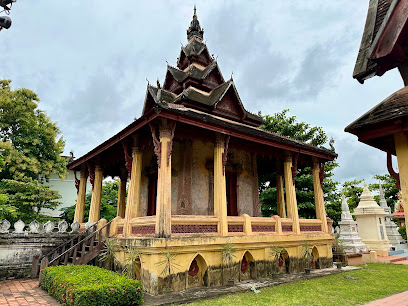 Wat Si Saket · Founded 1818
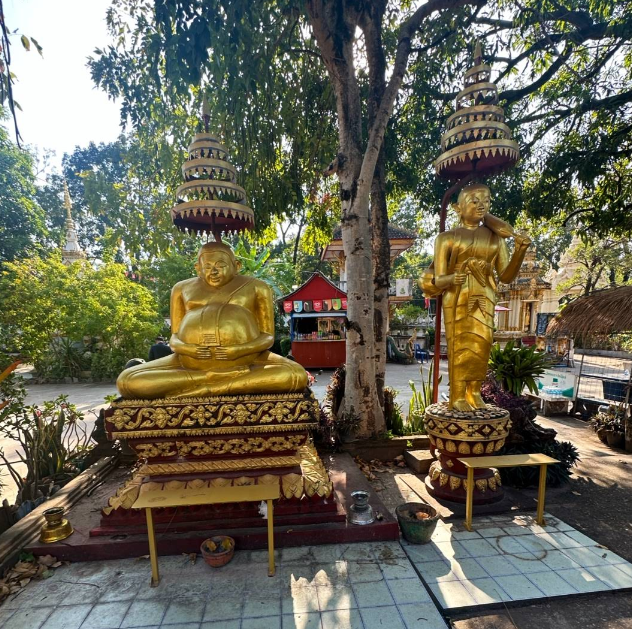 The Cloister · 6,000+ Buddha Images
The Living Archive
A Temple That Outlived a War
If Pha That Luang is the symbol of radiant faith, then Wat Si Saket is the living notebook of Lao history. While change swept away almost everything around it, this temple stood firm through the heat of war — the sole survivor of Vientiane's great destruction. Today it holds more than 6,000 pieces of Lao art and spiritual heritage within a single set of walls. Come with us now, and step across centuries into the secrets hidden behind the oldest temple gates in Vientiane.
"Every one of those thousands of small Buddhas watched the city burn — and watched it rise again."
— On Wat Si Saket, VientianePart I · History
Pages of History Saved by Fire
Every stone of Wat Si Saket carries a story. Two chapters above all others define why this temple commands the world's attention.
1818 CE · The Foundation
Built by the Last King of Lan Xang Vientiane
Wat Si Saket — formally known as Wat Satasahasaram, meaning "Temple of a Hundred Thousand Buddhas" — was constructed in 1818 by King Anouvong, the final monarch of the Lan Xang Vientiane Kingdom. The temple's architecture is strikingly distinct: a seamless fusion of Lan Xang Lao artistry and early Rattanakosin Thai style, reflecting a period when cultural ties across the Mekong were exceptionally close.
18181828 CE · The Great Destruction
The Miracle of Survival
In 1828, a catastrophic war reduced Vientiane almost entirely to ash and rubble. Yet Wat Si Saket alone was left standing. Historians believe its architectural resemblance to temples in Bangkok led the invading army to use it as a command headquarters and barracks — and so, by accident of design, its primary sim (ordination hall), cloisters, and library survived intact to the present day, making it the oldest functioning temple in the entire capital.
1828Part II · What to See
The Grandeur of Ten Thousand Buddhas
What draws travellers to Wat Si Saket is not merely its age — it is the rare, extraordinary detail that cannot be found anywhere else on earth.
Feature 01
The Cloister & Its Thousand Niches
The moment you step inside the temple grounds, your eye is drawn to the covered cloister walkway encircling the ordination hall on all four sides. The walls are pierced by hundreds of small niches, each one housing a miniature Buddha image in the Maravijaya posture — crafted from silver, terracotta, and wood. In total, more than 6,000 individual Buddha images line these walls. Including the larger statues ranged along the cloister floor, the effect is of being enveloped by a silent, timeless sanctity.
01Feature 02
The Sim — Ordination Hall in Wood & Plaster
The main ordination hall, or sim, commands attention with its steeply layered roofline — the classic signature of Lan Xang architectural genius. Inside, the walls carry mural paintings depicting scenes from the life of the Buddha and episodes from local Lao literary tradition. Though time has faded some of the pigments, the remaining brushwork reveals the extraordinary skill and devotion of the craftsmen who created them. Every line is a whisper from the past.
02Feature 03
The Ho Trai — Ancient Wooden Library
Tucked into one corner of the grounds stands the Ho Trai — the ancient wooden scripture library. Elevated on high stilts and decorated with intricate wood carvings across every surface, it once housed the Tripitaka and precious palm-leaf manuscripts of sacred Lao texts. Today it remains one of the most photographed architectural details in all of Vientiane, its carved wooden panels as delicate as lacework, and a particular favourite of architecture enthusiasts and photographers alike.
03Buddha images in cloister niches — silver, terracotta & wood
Year of construction — oldest surviving temple in Vientiane
The only temple to survive the great destruction of 1828
Part III · Plan Your Visit
Everything You Need to Know
Updated visiting hours, fees, and essential practical details for 2026.
- Days open
- Monday – Sunday
- Morning
- 08:00 – 12:00
- Afternoon
- 13:00 – 16:00
- Lunch break
- 12:00 – 13:00 (closed)
Foreign visitors (approx. 20–30 Thai Baht).
Photography in outer cloister areas: Permitted.
Photography inside the ordination hall (sim): Strictly prohibited — to respect the murals and the sacred space.
- Address
- Setthathirath Rd, Vientiane
- Near
- Opposite Haw Phra Kaew
- Best photo light
- 08:00 – 09:30
Visitor Guidelines
Dress Code & Temple Etiquette
Wat Si Saket is among the most venerable and sacred sites in Vientiane. Monks still reside here and religious ceremonies still take place. Please observe all guidelines with care and sincerity.
Dress Modestly
Shoulders and knees must be covered for all visitors. Women wearing short skirts may borrow or rent a traditional Lao sinh wrap at the entrance gate. This is non-negotiable at this sacred site.
Photography Rules
Photography is welcome throughout the cloister walkways and temple grounds. However, photography inside the ordination hall (sim) is strictly forbidden, in order to protect the ancient mural paintings and preserve the sanctity of the interior space.
Silence & Respect
This temple remains an active place of worship and a residence for monks. Visitors are asked to speak quietly, move with composure, and avoid any behaviour that might disturb ongoing religious practice or the monks' daily routines.
Lunch Break Closure
The inner temple closes between 12:00 and 13:00 daily. If you arrive during this window, you are welcome to wait in the shaded outer grounds or return after 13:00 to access the full temple interior.
Best time to visit: Arrive between 08:00 and 09:30 in the morning. The early light filters sideways through the cloister niches, casting each of the thousands of small Buddha images in warm shadow and glow — a photographic and spiritual experience that is simply not replicable at any other time of day. The air is cooler too, making the walk far more comfortable.
Why Visit
A Gateway Through Time Itself
Wat Si Saket is not merely a tourist attraction. It is a portal through time — a place that shows you, in stone and wood and fading paint, how faith endures across centuries. To walk slowly and quietly around the cloister, surrounded by the gaze of thousands of small Buddhas, is a spiritual experience that belongs to no single religion. People of every background who have made this walk describe feeling something settle within them — a stillness that is difficult to name but impossible to forget.
If you love history you can touch, if you are drawn to the delicate precision of hand-carved wooden art, and if you want to understand the deepest roots of the Lao people — Wat Si Saket is the place that will stay with you longest after you leave Vientiane. We can promise you this: its quiet beauty, so modest compared to its neighbours, will surprise you more than anything else in the city.