Luang
Prabang
Ancient royal capital nestled between the Mekong and Nam Khan rivers — where saffron-robed monks, glittering temples, and timeless traditions await.
Your Luang Prabang Travel Guide:
Where Time Stands Still
Welcome to your complete Luang Prabang travel guide — one of Southeast Asia's most enchanting and unforgettable destinations.
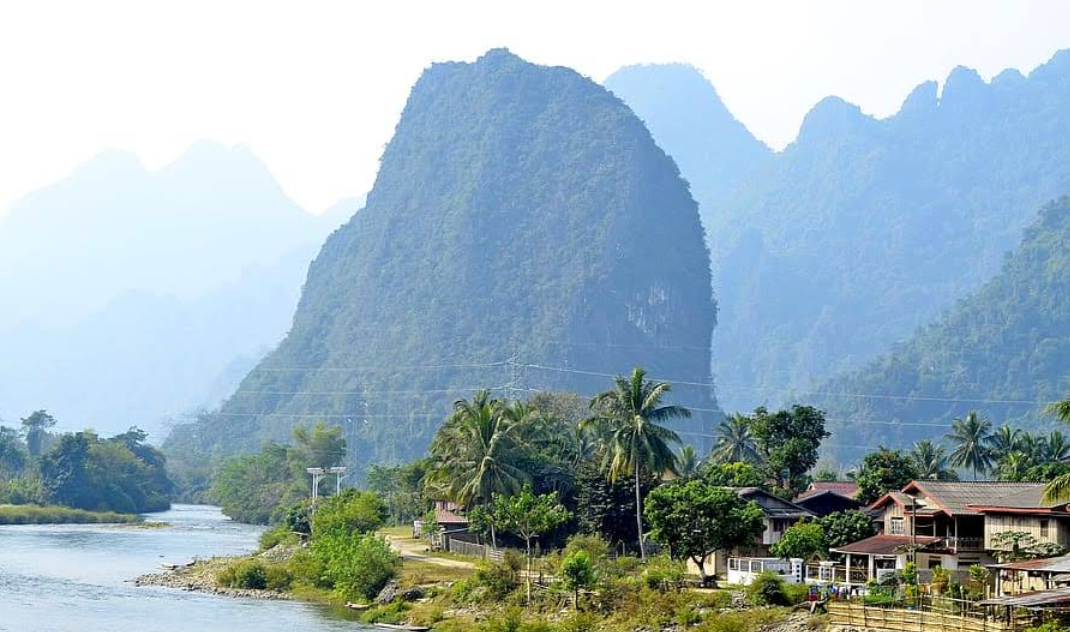
A UNESCO World Heritage city since 1995, Luang Prabang is one of Southeast Asia's most perfectly preserved cities. Each morning, monks walk silently through misty streets collecting alms — a ritual unchanged for centuries. Golden temples, French colonial villas, and lush mountains create a setting unlike anywhere else on earth.
Top Attractions in Luang Prabang
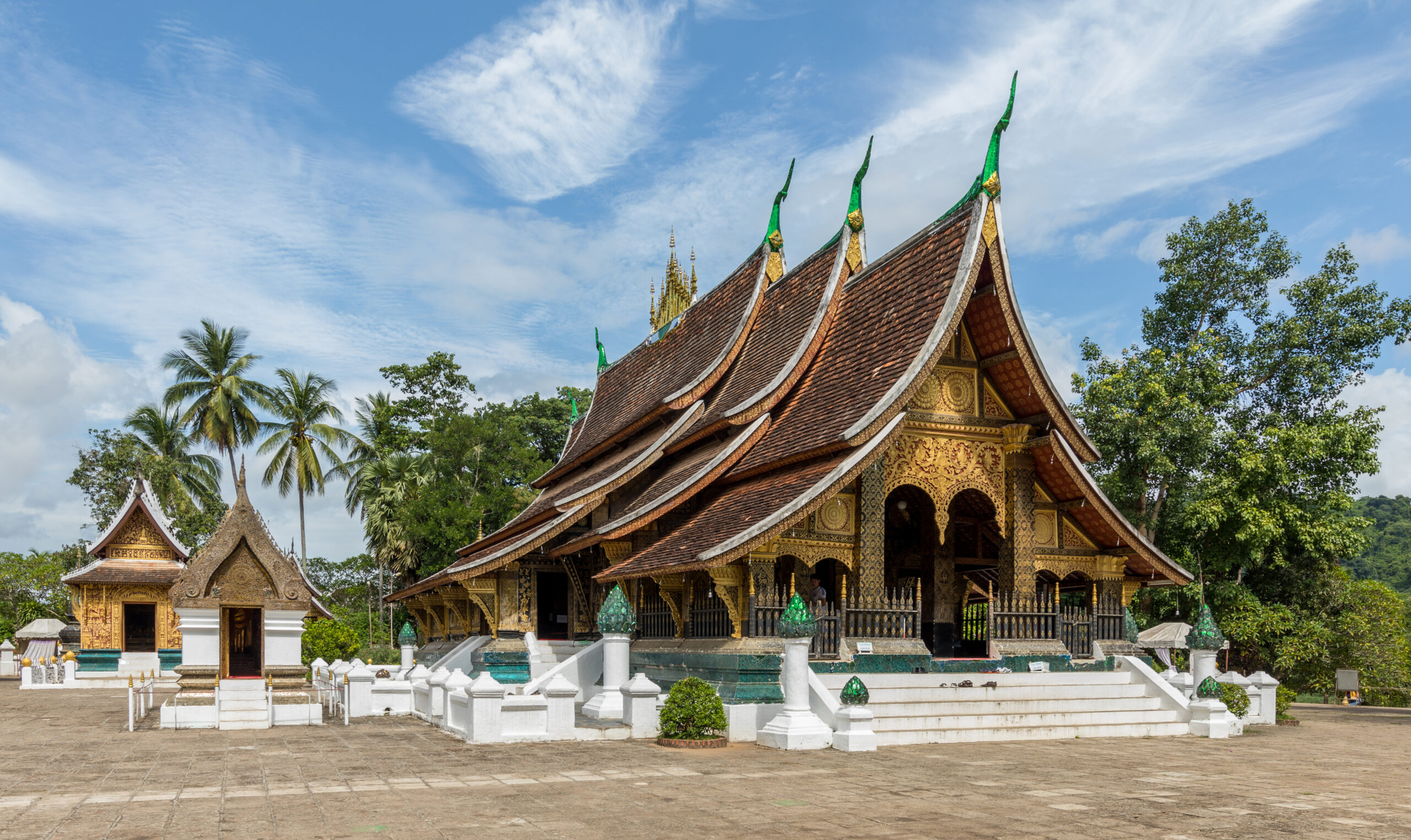
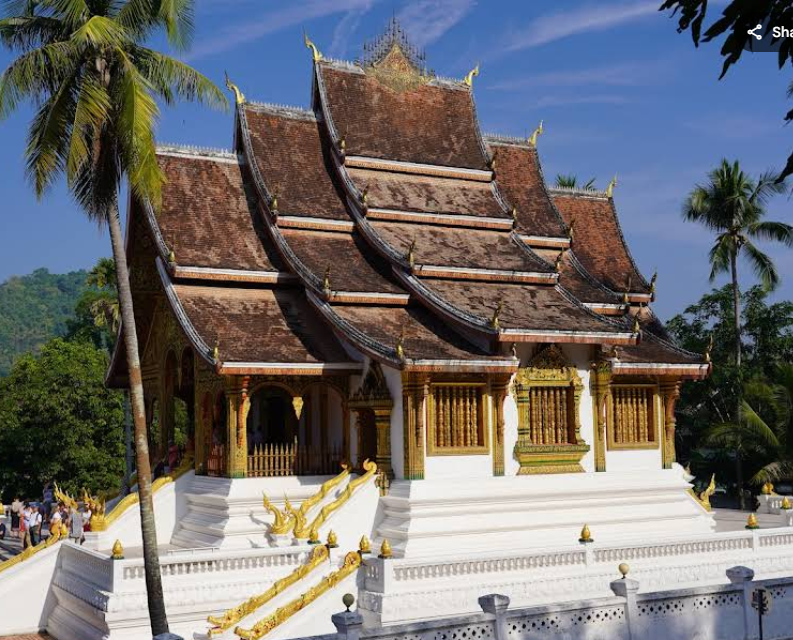
Wat Xieng Thong
The most stunning temple in Luang Prabang, dating to 1560. Famous for its sweeping rooflines and intricate mosaic art.
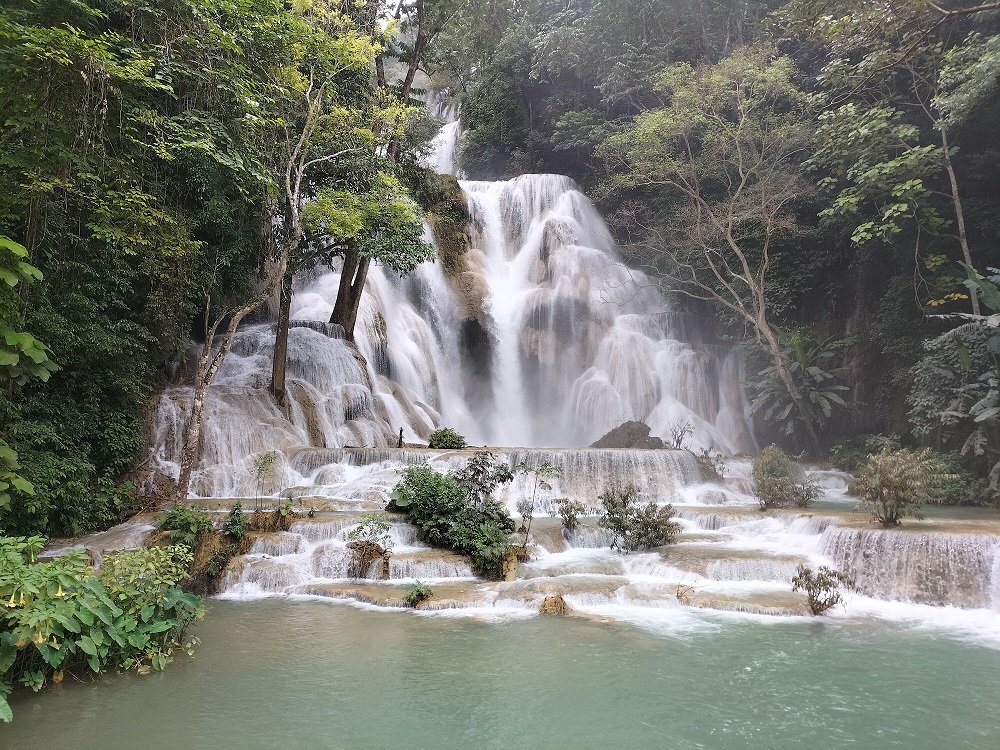
Kuang Si Falls
A multi-tiered turquoise waterfall cascading through the jungle — one of the most beautiful natural sites in all of Laos.
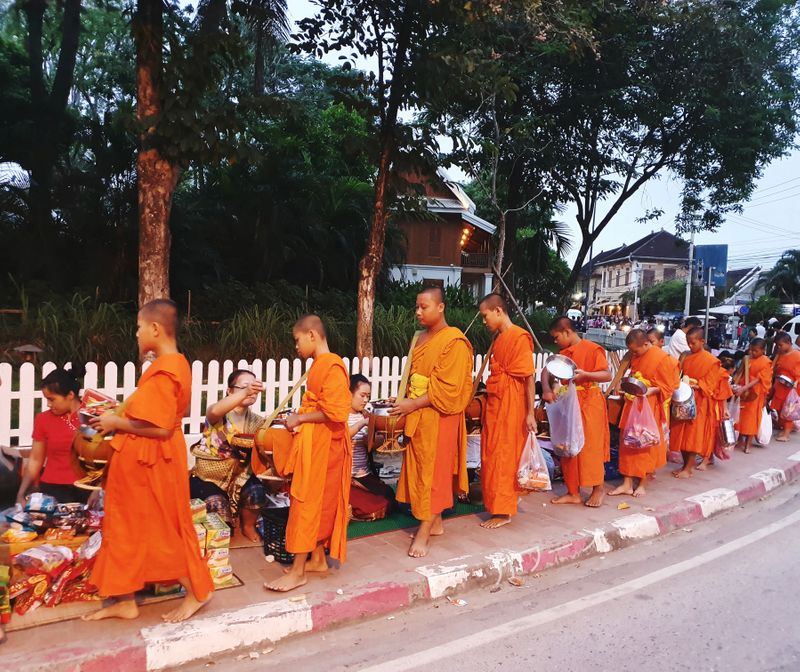
Tak Bat (Alms Giving)
Witness the sacred morning ritual where hundreds of monks walk silently through the streets collecting offerings at dawn.
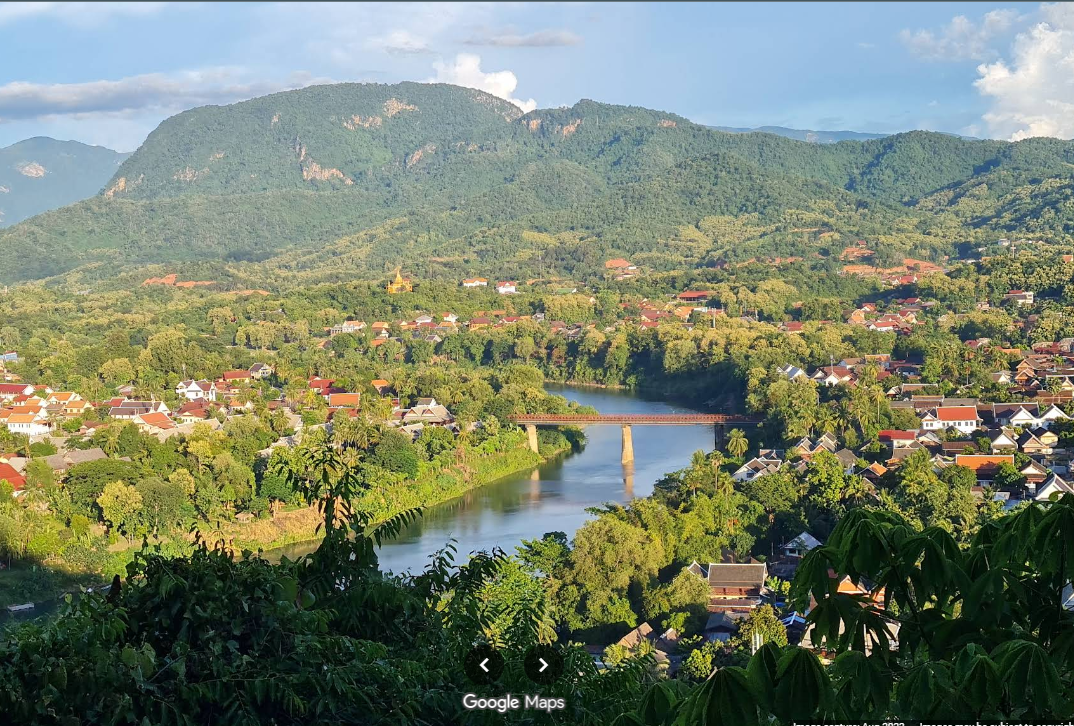
Phou Si Hill
Climb 328 steps to reach the golden stupa at the top for the best panoramic view of the city and Mekong River at sunset.
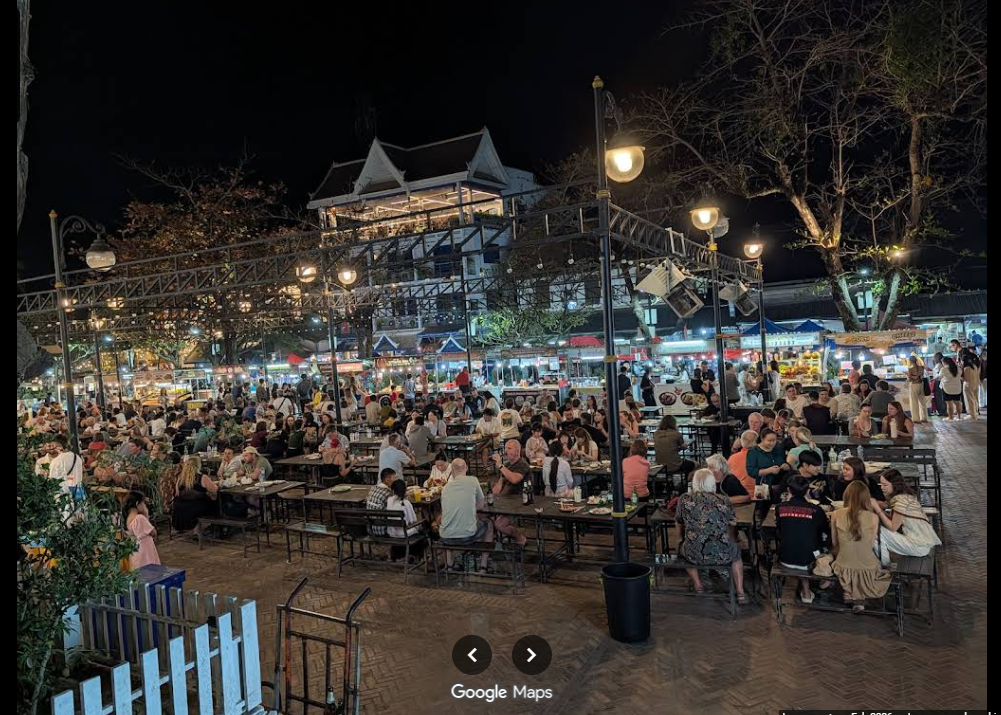
Night Market
Every evening the main street transforms into a vibrant market filled with handmade textiles, silver jewellery, and local street food.
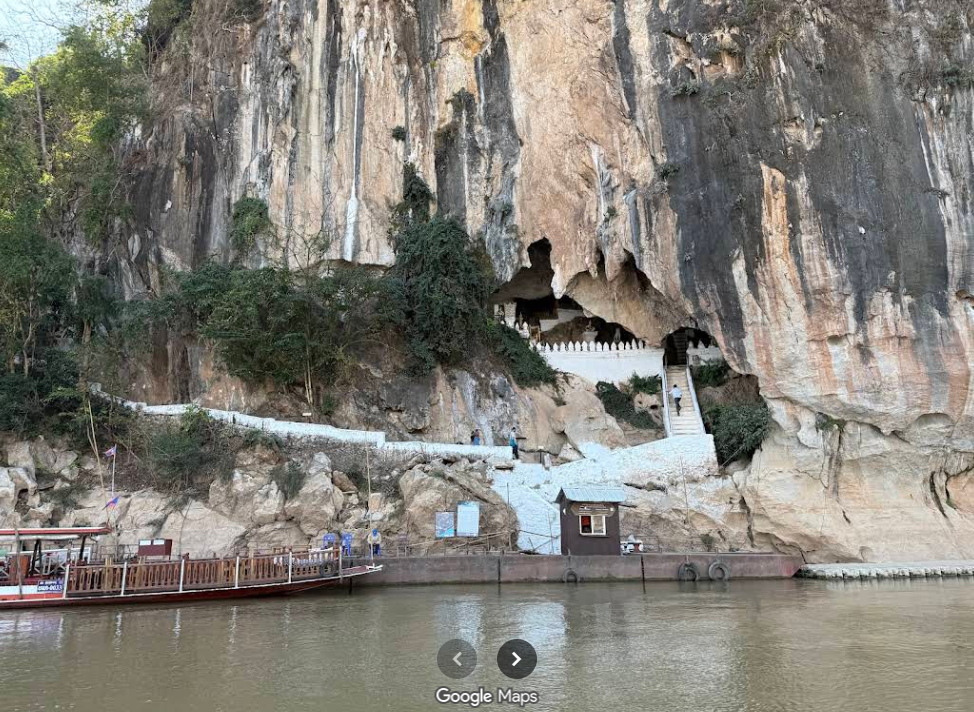
Pak Ou Caves
Sacred caves at the confluence of the Mekong and Ou rivers, filled with thousands of Buddha statues of all shapes and sizes.
Before You
Visit
Getting There
Fly direct from Bangkok, Hanoi, or Vientiane. Or take the Laos-China high-speed train from Vientiane.
Best Time
October to March for cool, dry weather. Avoid April–May (very hot) and July–August (heavy rains).
Dress Code
Cover shoulders and knees when visiting temples. Bring a light scarf for early morning alms-giving ceremony.
Budget
Very affordable. Guesthouse from $15/night, meals from $2–5. Most temples charge 20,000 KIP (~$1) entry.
Learn more about Luang Prabang on Wikipedia or the official UNESCO Heritage page.